KING BOFULEE
 中文简体
中文简体


Biogas Flare
Biogas Flares: Types, Advantages, and Applications
A biogas flare is a critical safety and environmental device used to combust excess or unwanted biogas in a controlled manner. The primary goals are to safely dispose of combustible gases, prevent greenhouse gas (methane) emissions, and often to destroy harmful trace compounds. The choice of flare type depends on factors such as gas composition, flow rate variability, regulatory requirements, and site conditions
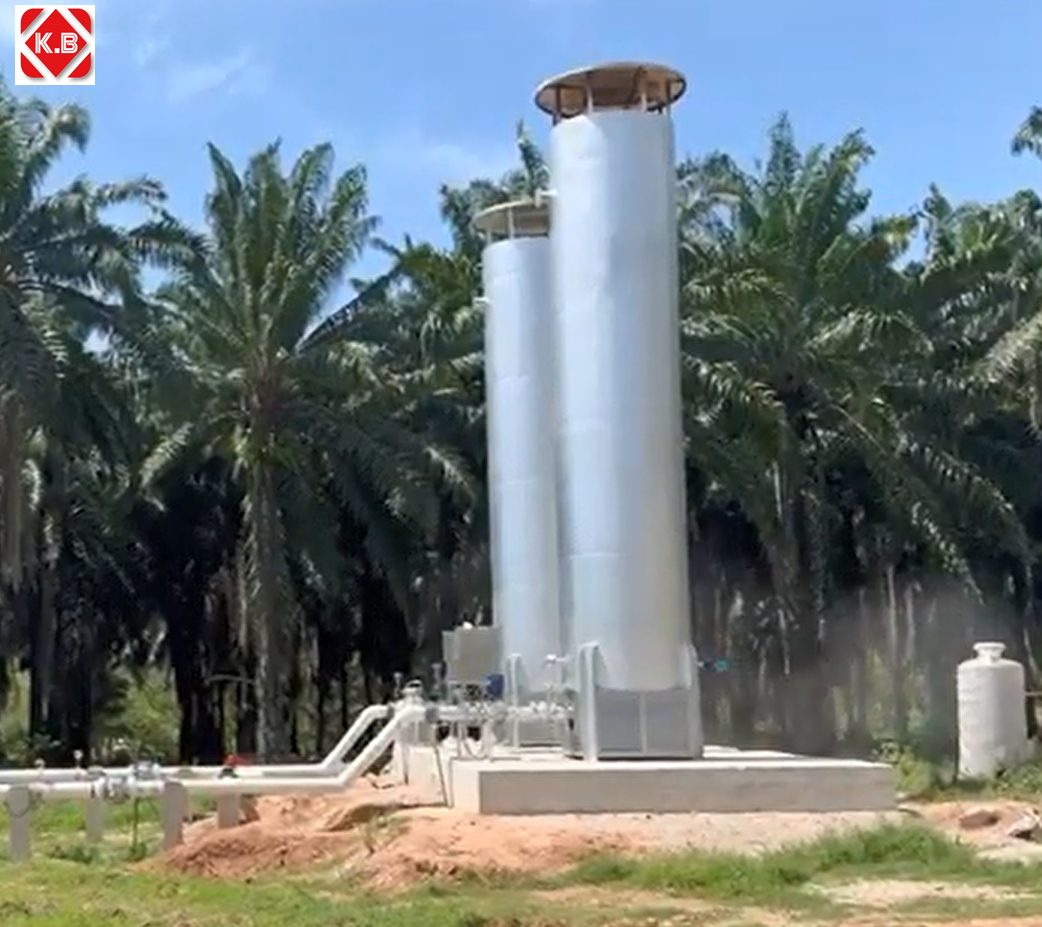
1. Open Flame (Ground) Flare
Description: The simplest and most traditional type. It consists of a burner head mounted on a stalk or in a small enclosed pit at ground level, with an open, visible flame. It often has a wind shield to protect the flame. It is typically used for smaller, intermittent flows.
Advantages:
Low Capital Cost: Simple construction with minimal components.
Robust and Simple: Easy to install and maintain with no complex internal structure.
Good for Intermittent Use: Suitable for emergency venting or occasional burning of excess gas.
Disadvantages/Considerations:
Lower Combustion Efficiency (CE): More susceptible to wind and weather, potentially leading to lower destruction efficiency and visible smoke during upset conditions.
No Emission Control: Offers no containment or control of combustion products (noise, light, heat radiation).
Safety & Visual Impact: Open flame presents a higher local fire risk and can be a source of light pollution; requires greater safety clearances.
Typical Applications:
Small wastewater treatment plants.
Farm-based anaerobic digesters.
Emergency backup or relief systems for larger facilities.
Landfill gas extraction systems with low or variable quality gas.
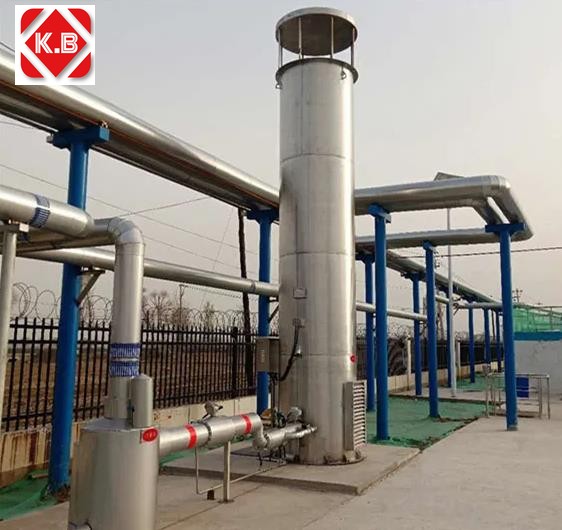
2. Enclosed (Horizontal or Vertical) Flare
Description: The burner is housed inside a refractory-lined steel cylinder (the enclosure). This is the standard for most modern biogas applications requiring high efficiency and controlled emissions. They can be vertical (tower-like) or horizontal (cylindrical silo-like).
Advantages:
High Combustion & Destruction Efficiency (CE/DRE): Typically >98%. The enclosure protects the flame, ensuring stable, complete combustion under most weather conditions.
Controlled Emissions & Low Visibility: Contains combustion, minimizing noise, reducing light glare (no visible flame), and controlling heat radiation. Allows for easier integration of air/steam assist for smokeless combustion.
Enhanced Safety: The enclosure acts as a safety barrier and contains any flashbacks.
Regulatory Compliance: Designed to meet stringent air quality regulations for CO, NOx, VOCs, and smoke.
Odor Destruction: Effective at destroying odorous compounds like H₂S and mercaptans.
Disadvantages/Considerations:
Higher Capital Cost: More complex than open flares.
Requires Utilities: Often needs instrument air for combustion control and may require pilot fuel gas.
Maintenance: Refractory lining may require inspection and eventual replacement.
Typical Applications:
Municipal and industrial wastewater treatment plants.
Large-scale anaerobic digestion (AD) plants for organic waste.
Landfill gas projects with consistent gas quality.
Any facility subject to strict environmental permits.
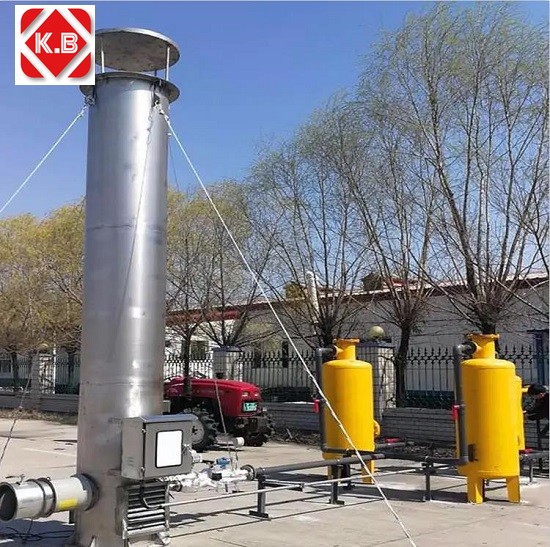
3. Thermal Oxidizer (High-Temperature Flare)
Description: A specialized, high-performance enclosed flare. It uses a robust combustion chamber lined with high-temperature refractory and often includes a heat recovery system. It operates at higher residence times and temperatures (typically 750°C - 1100°C) to ensure near-total destruction.
Advantages:
Very High Destruction Efficiency (DRE): Can achieve >99.99% DRE for challenging compounds like siloxanes, volatile organic compounds (VOCs), and hazardous air pollutants (HAPs).
Fuel Flexibility: Can handle gases with very low calorific value or highly variable composition.
Optional Energy Recovery: The high-grade heat can be recovered to produce hot water or steam via integrated boilers.
Disadvantages/Considerations:
Highest Capital and Operating Cost: Complex system with high fuel consumption if the gas heat value is low.
Advanced Control Required: Sophisticated temperature and safety controls are needed.
Typical Applications:
Biogas containing high concentrations of siloxanes (from landfills or sewage sludge).
Industrial biogas streams with complex or hazardous contaminants.
Projects where regulatory requirements mandate the highest possible DRE.
- Prev: Farm Biogas Projects
- Next: HDPE Biogas Project

 Telephone
 E-mail
 Address